Holistic Dentistry
The term means different things to different people, so it is worth being plain about what it means in my practice.
The whole person
Seeing the whole person, not just the teeth
Every patient arrives with their own concerns, history, goals and priorities. My job is to listen properly first, understand what matters most to you, and then build a plan that suits both the problem in front of us and the next twenty years.
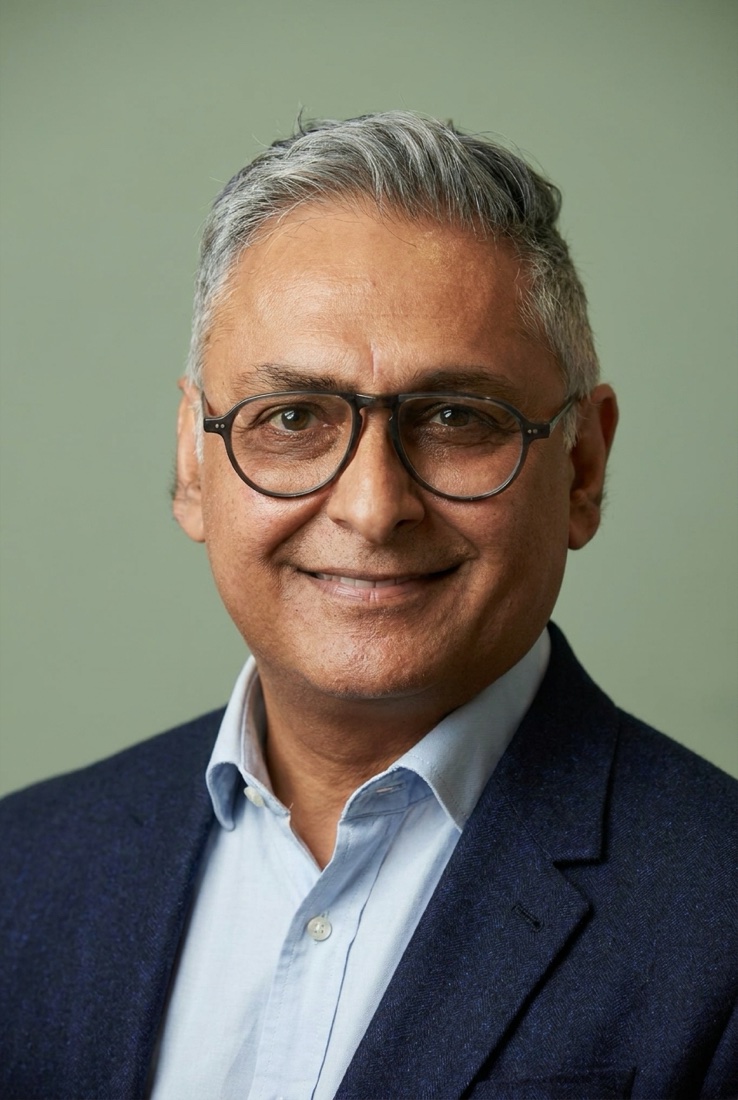
“I have always felt that it is important to work in a holistic way with each patient, rather than solely treating their teeth.”
That also means I am not going to tell you what you should do. When you understand your own mouth, the options available and the reasoning behind a recommendation, the decision is yours to make and you are far more likely to stick with it.
Prevention
Prevention comes before treatment
Treatment is only one part of long-term oral health. The more useful work is usually helping people reduce their future risk: oral hygiene, gum health, preventing decay, tooth wear, clenching and grinding, and the habits that quietly decide how the next decade goes.
Nothing has to happen at once. For most people small, manageable steps do far more than trying to change everything at the same time.
Diet and nutrition
Diet, nutrition and the rest of your life
Diet and sugar intake shape dental health more than almost anything else that happens in a surgery, so they are part of the conversation rather than an afterthought. So are sleep, stress and the way you hold your jaw, all of which show up in the mouth.
Diet and nutrition play an important role in maintaining healthy teeth and gums. I can discuss practical dietary and lifestyle considerations that may support good oral health, as part of your overall preventive care.
Materials
Materials, and the choices patients ask about
I use tooth-coloured materials rather than amalgam. Some patients come specifically to have existing amalgam fillings replaced, and some want to discuss alternatives to fluoride-containing products. Where that is what you want, I will help you understand the evidence, talk through the options, and support a choice that fits your own values while staying within recognised standards of dental care.
Patients often have questions about the materials used in their treatment. I am happy to discuss the different options available, why a particular material may be recommended, and the advantages and limitations of each.
I follow a mercury-free approach to new restorative treatment, and can discuss options for patients who wish to consider replacing existing amalgam fillings. Any decision to replace an existing restoration should be based on an assessment of the tooth and an informed discussion about the benefits and risks.
Different ages
Children, adults and older patients need different things
With children the point is confidence and good habits early, and helping parents support them. With older patients it is usually comfort, function and keeping things stable. With anyone who finds dentistry difficult, treatment moves at a pace that feels manageable, which sometimes means a first visit where nothing is done at all.
I also hold the Licentiate in Dental Homeopathy, taken in 2002. Some patients ask whether it can form part of their care. Where it is appropriate I am glad to discuss how it might sit alongside conventional treatment, and equally glad to be clear about its role and its limits.
Why patients choose it
Why patients choose to be treated this way
Because they want to be involved, and because it lasts. Many of the families I look after have been with me for decades, often across generations, and that length of relationship is what makes prevention work: we can see what is actually changing, and adjust early.
“When patients understand their options, feel involved in every decision and have a clear plan for maintaining their dental health, they are far more likely to enjoy lasting, positive outcomes. That partnership is what holistic dentistry means to me.”